
30-day money-back guarantee if we can't solve your problem
Medicare & Medicaid claim support, simplified. A real specialist for $25.
We help with denials, bills, insurance issues, and authorization problems — so you know exactly what happened, what to do next, and how to avoid paying more than you should. Fast. Clear. Affordable. Guaranteed.
No account. No subscription. 30-day refund if we can't help.

Deadlines are short. Many appeals must be filed within 60–90 days of the denial letter.
Zero risk. If we can't give you a workable path forward within 30 days, you get your $25 back.
A real specialist. Not a chatbot or a call center script — a person who reads your case.
Why people come to Medquik
Medical bills and insurance letters are designed to confuse you. We make them make sense. People come to us when they're dealing with:
- A Medicare or Medicaid denial
- A surprise medical bill
- A confusing EOB
- A pending Medicaid application
- A bill that “should have been covered”
- A provider who billed incorrectly
- A claim that needs an appeal — fast
If you're staring at a letter you don't understand, you're in the right place.
Who this is for
If any of these sound like you, click your situation to get focused help.
Surprise hospital bills
You got a bill after a hospital visit for care you thought was covered by Medicare or Medicaid.
Get help for $25Medicaid or HRA denials
Your application was denied, your coverage was delayed, or you left an HRA office without answers.
Get help for $25Caregivers & family helpers
You're handling a Medicare or Medicaid issue for a parent, child, or relative and keep hitting walls.
Get help for $25Billing questions, answered
Plain-language answers to Medicare and Medicaid billing questions — plus a step-by-step plan to fix the problem.
Get help for $25Questions we've helped with
A few real questions people brought us, with the short version of how we'd help.
Why did I get a big bill for an ambulance ride? Doesn't Medicare cover it?
Medicare Part B does cover ambulance rides — but only under specific conditions, and that is where most surprise ambulance bills come from. Why you may have gotten a bill: - Medicare only pays when the ride is considered medically necessary — meaning traveling any other way (car, taxi, wheelchair van) could have endangered your health. A situation that felt like an emergency to you may not meet Medicare's definition. - The ambulance must take you to the nearest facility that can treat you. If it went farther (for example, to a hospital you prefer), Medicare may pay only part of the trip — or none of it. - Non-emergency rides (a scheduled trip to dialysis, or a ride home after a hospital stay) usually need paperwork from a doctor confirming you could not travel any other way. Without it, the claim is denied. - If the ambulance company has not agreed to Medicare's payment terms, you can be billed for more than the Medicare-approved amount. What you can do: 1. Call the ambulance company's billing office. Ask whether the claim was sent to Medicare and exactly why it was denied or only partly paid — sometimes it is a paperwork or coding mistake they can fix and resubmit. 2. Look at your Medicare Summary Notice (the statement Medicare mails you). It shows the official denial reason and the deadline to appeal. If Medicare decided the ride was not medically necessary, you have the right to appeal. 3. If you also have Medicaid or other insurance, the bill may need to go to that plan next — ask the billing office whether it was sent. Whether your bill can be lowered, resubmitted, or appealed depends on the exact denial reason on your notice — that is the kind of case we review. Describe your situation and we will walk you through the right next step.
Read answerWhy am i getting a medical bill, it should be covered
Because you have both Medicare and Medicaid, Medicare pays its share first and Medicaid is meant to cover most of the rest — which is why you were told everything would be covered. One important note: if the Medicare part that covers doctor visits is not active, doctor bills can be billed to you, so that is worth confirming first. If that part is active, a bill usually means one of two things: the bill was never sent to Medicaid for its share, or it was sent but denied for a reason that must be corrected before it can be paid. Doctor's office staff are often not trained on how the two plans work together, so this happens a lot. The right next step depends on which of the two happened in your case — we can help you find out and handle it.
Read answerWrong gender demographic
If your plan has you listed with the wrong gender or the wrong date of birth, it can cause claims and services to be denied. The fix is to have your record corrected at the source — the place where you enrolled or where your coverage comes from. If that information is already correct on their end, the insurance company itself may need to fix it instead. Each one applies depends on where the mistake actually is, and insurance staff are not always trained to spot it. We can help you figure out where the error is and exactly what to say to get it corrected.
Read answerWhat you get for $25
A real human specialist reviews your case and sends you:
A clear explanation of what happened
No jargon. No scripts. Just the truth.
A step-by-step action plan
Exactly what to say, who to call, what to send, and how to fix it.
A 30-day guarantee
If we can't give you a workable path forward, you get your money back.
What you'll receive
Four things, in one email, written by a real specialist.
Explanation
What the letter or bill actually means.
Action plan
The strategy for your specific case.
Steps
Who to call, what to say, what to send.
Guarantee
30 days to see progress, or your $25 back.
Many appeals must be filed within 60–90 days
Don't miss your deadline. The sooner we review your letter, the more options you still have.
How it works
1. Pay $25
One-time. No account. No subscription.
2. Tell us about your bill or denial
Describe what happened in your own words.
3. Get your action plan
Delivered by email in 1–2 business days.
Why this works
- Insurance companies expect you to give up.
- Hospitals expect you to pay whatever they send.
- Government programs expect you to figure it out alone.
We don't.
We help you understand your rights, your options, and your deadlines — so you don't get stuck with bills you shouldn't owe.
Sound familiar? We answer these every day
Pick the one closest to your situation — it's the fastest way to start.
- I'm the parent on my child's account. Why can't I call about their claim or bill?
- Why am I getting a medical bill when it should be covered?
- My claim was denied as “not medically necessary.” How do I appeal?
- Medicare paid the doctor but not the lab. What do I do?
- The hospital is billing me while Medicaid approval is pending — is that legal?
- What's the difference between a bill, an EOB, and a denial letter?
- I was charged for a preventive visit that should be free. Who do I call?

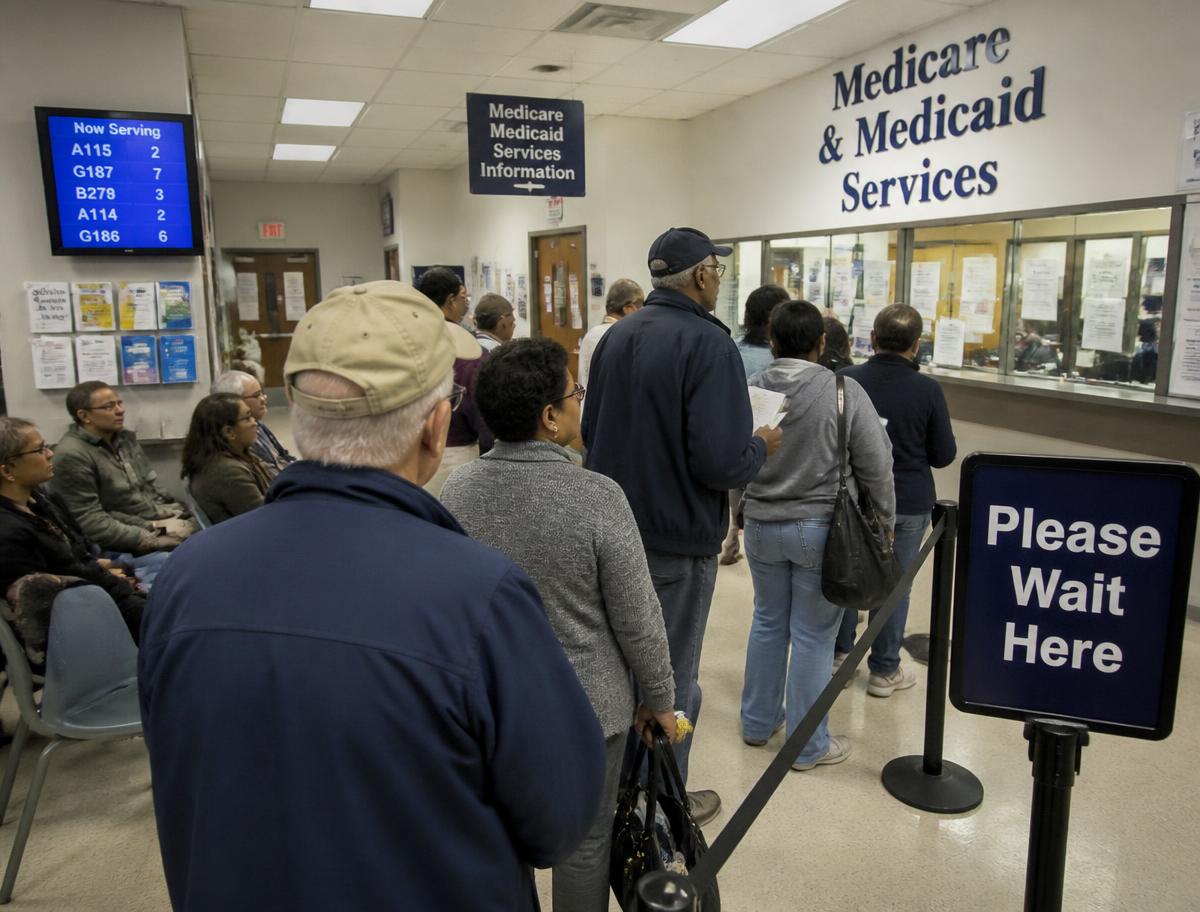
$25 now, or the whole bill later
One flat fee covers a full review of your issue and a written action plan from our team — for less than the cost of a co-pay. If we can't help you make progress within 30 days, we reimburse the fee. No argument.
Get help for $25Takes about 3 minutes · 30-day money-back guarantee
If we can't help you within 30 days, you get your $25 back.
No questions asked.
Get help now — $25Stop guessing. Start fixing.